

Current estimates place the total damage and losses at between $8 billion and $15 billion, or almost a quarter of Jamaica’s gross domestic product (GDP), said Dennis Zulu, United Nations resident coordinator for Jamaica, the Bahamas, Bermuda, the Cayman Islands and the Turks and Caicos Islands.
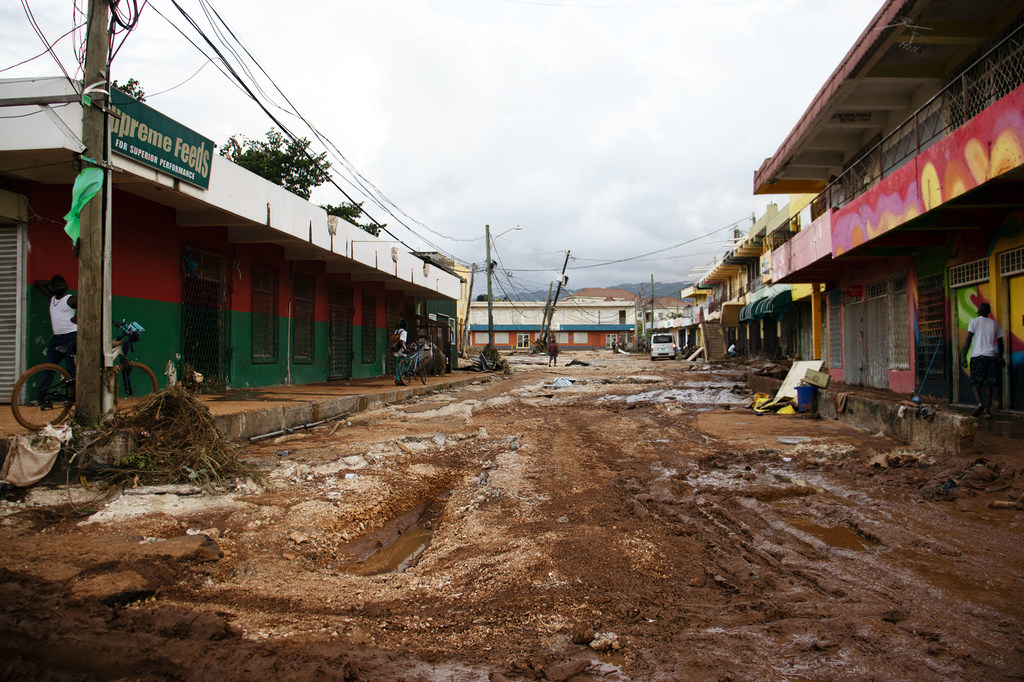
The hurricane affected more than 626,000 people and left 45,000 dead, highlighting its heavy human toll.
Despite notable progress in recovery efforts, 90 emergency shelters are still operational, hosting nearly 950 people who have not yet returned home.
Communities left exposed
Entire communities are still totally exposed, with at least 120,000 buildings – mostly in southwest Jamaica – having lost their roofs, Mr Zulu reported.
Hurricane Melissa triggered “prolonged” and “cascading” disruptions to essential services, the resident coordinator added.
“Western parishes remained without electricity for weeks. »
In addition, many children are out of school due to the extensive damage caused to educational institutions.
About 450 schools, nearly two-thirds of all institutions nationwide, reported significant impacts, including roof loss, structural failure and other damage.
An unprecedented scale of destruction
The tourism industry and agricultural production – once cornerstones of Jamaica’s economy and main sources of employment – have suffered significant damage, putting thousands of jobs and livelihoods at risk, further compounding the pressure.
“This scale of destruction is not only unprecedented, but it has also reversed hard-won development gains in a country that was firmly on a positive social and economic trajectory,” Mr. Zulu stressed.
Despite these challenges, the United Nations continues to work closely with the Jamaican Government, national institutions, civil society and international partners, to provide lifesaving assistance to the most vulnerable communities.
Immediate priorities for recovery:
- Restore health services at safe and fully functional operating levels.
- Support the education sectorespecially as schools prepare to reopen.
- Help restore essential community services for areas still without access.
- Contribute to repair and reconstruction homes, roads and critical infrastructure.
- Restoring livelihoods through targeted support to small farmers, fishermen and micro and small businesses
- Strengthening the agricultural sector to improve food production, food security and rural employment.
- Supporting the tourism sector as a key employer and source of foreign exchange to save jobs and accelerate the recovery.
- Ensure recovery efforts are inclusive, climate resilient and risk-informedenabling Jamaica to build back stronger and better than before.
Publicado anteriormente en Almouwatin.
